
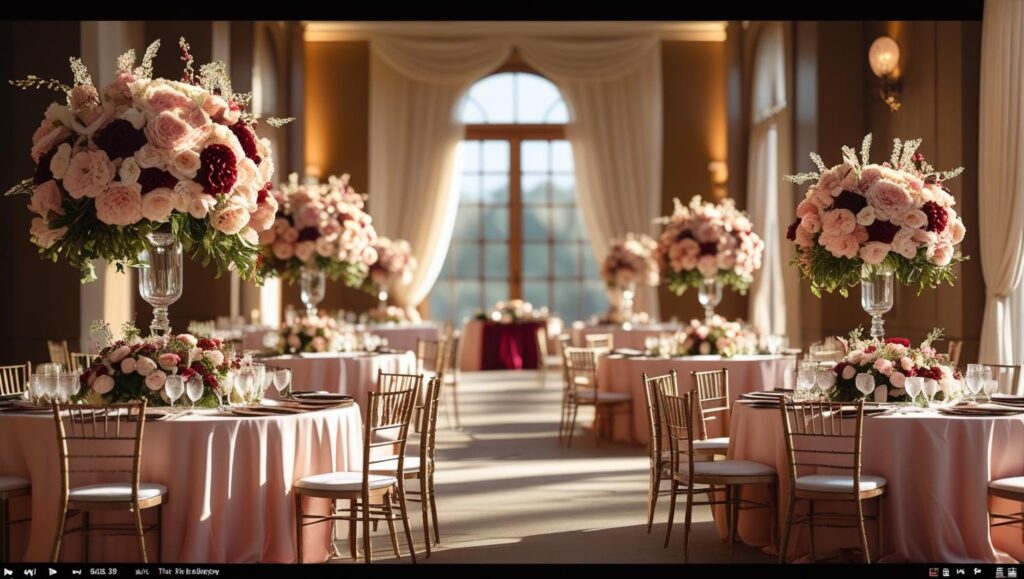
Choosing the right venue is one of the most crucial decisions when planning a special occasion. Whether it’s a wedding, corporate event, anniversary, milestone birthday, or family reunion, the venue sets the tone for the entire celebration. A poor choice can result in logistical nightmares and unhappy guests, while the perfect venue can transform a gathering into an unforgettable experience.
Below, we offer a comprehensive and expert-level guide on how to choose the perfect venue for your special occasion.
Define Your Event Type and Vision
Before beginning your search, you must have a clear understanding of the event you’re hosting. Is it a formal wedding? A casual baby shower? A black-tie gala?
Key considerations include:
- Formality: Elegant ballroom or rustic barn?
- Theme: Modern, vintage, beach, garden, etc.
- Guest List: Will it be an intimate affair or a grand celebration?
Having this clarity allows you to narrow your options quickly and efficiently.
Determine Your Budget in Advance
Budget planning is a foundational step. Your venue will likely consume the largest portion of your event budget, sometimes up to 50%. It’s essential to define your full budget and allocate a specific amount for the venue, factoring in:
- Rental fees
- Security deposits
- Service charges
- Taxes
- Inclusions (chairs, tables, AV equipment, etc.)
Be wary of hidden costs. Some venues charge extra for items like parking, overtime, or cleaning fees.
Estimate Your Guest Count
Venues often have strict capacity limits. Booking a space that’s too small will lead to crowding, while one too large may feel empty and lack intimacy. Always have an estimated guest list before finalizing your venue.
Pro tip: Choose a venue that offers some flexibility, in case your numbers shift unexpectedly.
Location, Location, Location
Accessibility plays a pivotal role in guest attendance and comfort. The ideal location depends on the nature of the event:
- Weddings: Should be easily accessible for out-of-town guests, possibly near hotels or airports.
- Corporate Events: Proximity to office locations or central transport hubs is ideal.
- Private Celebrations: Choose somewhere central for the majority of attendees.
If your venue is remote, consider transportation options, like shuttle services or rideshare partnerships.
Evaluate On-Site Amenities and Services
A truly great Event venue offers more than just space. It enhances your event with valuable amenities, such as:
- In-house catering or kitchen facilities
- Audio/Visual equipment
- Tables, linens, and seating
- Event coordination staff
- Bridal suites or VIP rooms
- Security personnel
- On-site parking or valet
Inquire whether these features are included in the rental fee or cost extra.
Match Venue Style with Your Event Aesthetic
The aesthetic and ambiance of the venue should align with your event’s theme and style. From ultra-modern rooftop terraces to historic castles or rustic vineyards, the design and decor should reflect the mood you want to create.
When visiting venues, assess:
- Lighting (natural and artificial)
- Architecture and layout
- Colors and existing décor
- Flooring and ceilings
- Photo opportunities
If the space doesn’t match your vision, calculate how much décor and customization would be required to bridge the gap.
Understand the Venue’s Layout and Flow
An effective layout contributes to the success of your event experience. During a site visit, visualize how your event will flow:
- Is there a designated area for the ceremony, dining, and dancing?
- Are there bottleneck areas that might cause guest congestion?
- Is the kitchen near the dining area for efficient service?
- Are restrooms conveniently located?
Venues with flexible layouts allow for personalized setups, while fixed layouts may restrict creativity.
Consider the Weather and Season
If your event is taking place outdoors, weather is a critical factor. Even during dry seasons, always prepare for rain or wind. Ask if the venue offers:
- Covered areas like tents or gazebos
- Backup indoor spaces
- Heating or cooling systems
- Emergency weather plans
Also, factor in seasonal decorations—for example, gardens may be vibrant in spring but barren in winter.
Read Contracts Carefully
The venue contract is a binding agreement that dictates what you can and cannot do. Important elements to look for include:
- Cancellation and refund policies
- Event insurance requirements
- Setup and teardown timelines
- Permitted vendors and exclusivity clauses
- Noise restrictions and curfews
- Security deposit and payment schedule
Never sign without reviewing all terms or having a professional examine the contract for legal and financial pitfalls.
Review Restrictions and Venue Policies
Some venues have restrictions that may conflict with your event plans. Common limitations include:
- No open flames (candles, fireworks)
- No red wine or staining beverages
- Limited music volume
- Restricted vendor list
- Decor limitations (taping or hanging items)
Understanding these constraints early helps avoid frustration and last-minute adjustments.
Evaluate Staffing and Service Quality
A professional, experienced staff can significantly enhance your event. Inquire about:
- On-site coordinators or event planners
- Setup and breakdown assistance
- Bartenders, waitstaff, and security
- Emergency and medical response teams
High-quality service ensures your event proceeds smoothly, freeing you to enjoy the moment.
Schedule a Detailed Site Visit
Seeing is believing. Always schedule an in-person tour of your shortlisted venues. Bring your checklist and evaluate:
- Cleanliness and maintenance
- Lighting at the same time of day as your event
- Acoustics and sound quality
- Parking availability
- Accessibility for disabled guests
Take photos and videos for later reference, and don’t hesitate to ask for references from past clients.
Check for Vendor Flexibility and Packages
Many venues work exclusively with specific caterers, decorators, or photographers. While convenient, this may limit your choices. Ask about:
- Preferred vendor lists
- Corkage and plating fees for outside food or beverages
- All-inclusive packages and what’s included
- Flexibility for external vendors
Venues that allow freedom of choice may better fit your vision and budget.
Ask for Reviews and Referrals
Check independent reviews on Google, Yelp, The Knot, or WeddingWire. Positive testimonials reflect reliability and quality, while red flags like last-minute cancellations or poor communication should not be ignored.
Ask the venue for a list of recent events and, if possible, speak directly with past clients about their experience.
Book Early and Secure the Date
Premium venues often get booked 6–18 months in advance, especially during peak seasons. Once you’ve found the right location:
- Secure your date with a signed contract
- Pay the deposit as required
- Confirm your date in writing
- Keep communication open leading up to the event
Final Checklist Before Booking
Use this checklist to ensure you’ve covered every critical detail:
- Venue capacity suits your guest list
- Fits within your budget
- Matches your aesthetic and theme
- Accessible for all guests
- Offers essential amenities and services
- Accommodates seasonal or weather-based needs
- Provides clarity on restrictions and policies
- Includes vendor flexibility
- Has strong reviews and references
- Date availability confirmed
Conclusion: The Venue Is the Foundation of Your Event
The venue is more than just a backdrop; it’s the foundation of your entire celebration. A well-chosen venue enhances atmosphere, streamlines logistics, and leaves a lasting impression on your guests. By following a strategic and detail-oriented approach, you ensure that your special occasion is both seamless and spectacular.
From intimate gatherings to grand affairs, the perfect venue isn’t just found—it’s chosen with insight, intention, and care.